
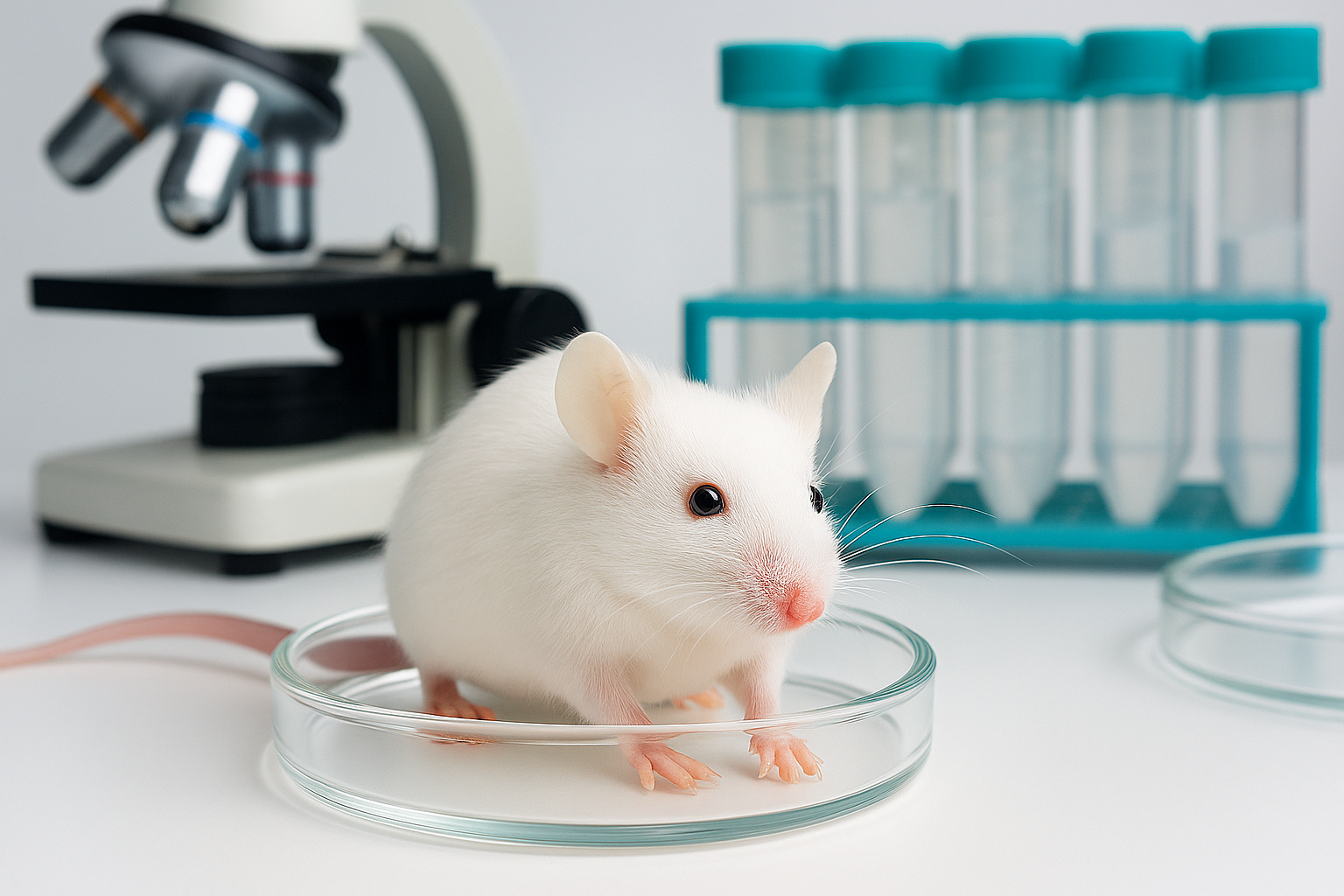
Mouse Transfection Technologies and Applications
Mouse transfection plays a foundational role in genetic research, drug development, and preclinical modeling by enabling precise gene modulation in murine cells and tissues. Due to the extensive use of mice in biomedical research, optimizing delivery of nucleic acids—such as plasmid DNA, siRNA, shRNA, and mRNA—into mouse-derived cells is essential for validating gene function, engineering disease models, and testing therapeutic candidates. Transfection in mice can be performed both in vitro, using primary or immortalized cell lines, and in vivo, within live animal systems to study systemic biological responses.
Challenges in Murine Transfection Protocols
Murine cell lines are known for their variability in transfection responsiveness. Fibroblasts, embryonic stem cells, hematopoietic progenitors, and immune cell subsets each exhibit distinct tolerances to chemical reagents and electroporation settings. Moreover, mouse cells often demonstrate heightened sensitivity to cytotoxicity and low uptake efficiency when using standard lipid-based transfection methods. Electroporation buffers tailored for murine cells and delivery vehicles adapted for endosomal escape are critical to achieving reproducible gene expression or knockdown. In vivo transfection further requires the use of organ-targeted formulations that address pharmacokinetic challenges and tissue specificity.
In Vivo Mouse Models for Genetic Delivery
Mouse models, including immunodeficient strains such as NOD/SCID, NSG, BALB/c, CD1, and Swiss Nude, are routinely used for evaluating gene function in oncology, immunology, and regenerative medicine. In vivo transfection kits optimized for mice allow targeted gene delivery to organs like liver, lung, kidney, pancreas, and brain. Delivery reagents are often encapsulated within nanoparticles, liposomes, or polymeric carriers to improve circulation half-life and cellular uptake. The ability to manipulate gene expression in a tissue-specific manner within living mice has advanced studies of tumor microenvironments, gene therapy vectors, and RNA-based therapeutics.
Applications in Gene Silencing, Overexpression, and Genome Editing
Mouse transfection protocols support a range of experimental objectives. RNA interference using siRNA and shRNA enables targeted knockdown of gene expression, allowing functional genomics studies to identify essential regulatory pathways. DNA transfection enables transient or stable overexpression of genes or reporter constructs, facilitating pathway tracing and promoter analysis. CRISPR-Cas9 gene editing in mouse cells, whether ex vivo or in vivo, further allows researchers to engineer specific mutations, deletions, or insertions. These technologies are essential for understanding disease mechanisms and evaluating therapeutic efficacy prior to clinical development.
Altogen Biosystems Mouse-Specific Transfection Products
Altogen Biosystems offers a catalog of mouse-validated transfection reagents, electroporation kits, and in vivo delivery systems designed for various mouse cell types and tissues. Products include proprietary electroporation buffers for murine cells, organ-targeted in vivo transfection kits, and nanoparticle formulations for systemic RNA or DNA delivery. All reagents are manufactured under strict quality control to ensure reproducibility and high efficiency across a range of research applications.
Mouse Transfection Services at Altogen Labs
Altogen Labs provides contract-based research services for in vitro and in vivo mouse transfection studies. These include formulation development, xenograft model generation, siRNA delivery, plasmid DNA expression, and CRISPR gene editing in mouse-derived cell lines and live animals. Service packages are tailored to client specifications and often include assay development, qPCR or Western blot validation, and histological analysis of gene expression. By offering access to advanced delivery systems and in vivo models, Altogen Labs supports a wide range of biotechnology and pharmaceutical research initiatives.